
OsteoWORKS
Put the smile back on your face
Book an appointment with Osteoworks
profiles
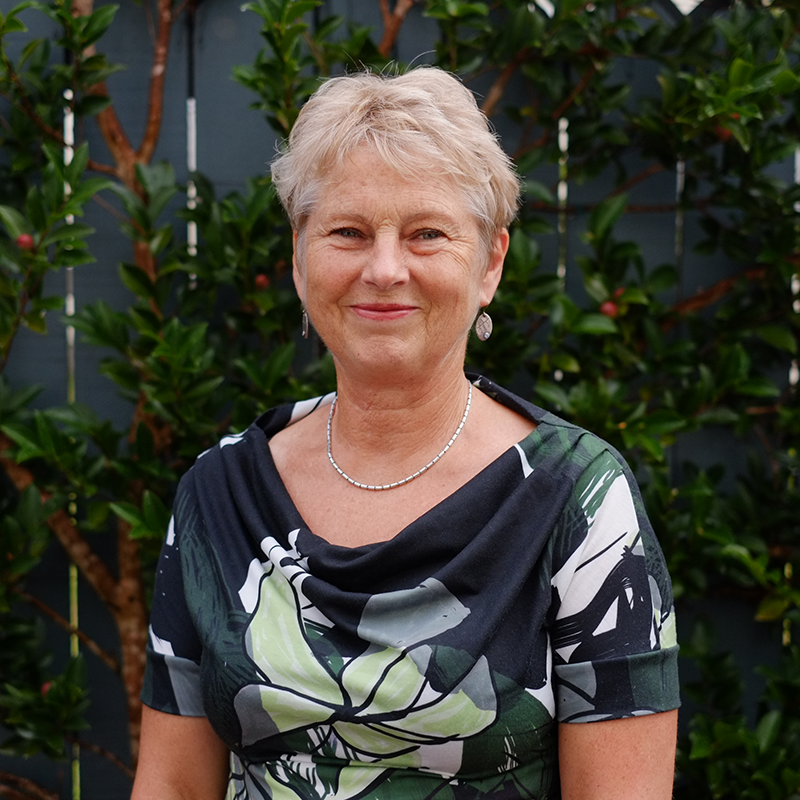
Jill Headifen MSc Ost. (U.K.)
I became interested in natural therapies early on in my life being influenced by my parents philosophy of health. We grew most of our own food and hardly ever needed to visit the local GP.
profiles
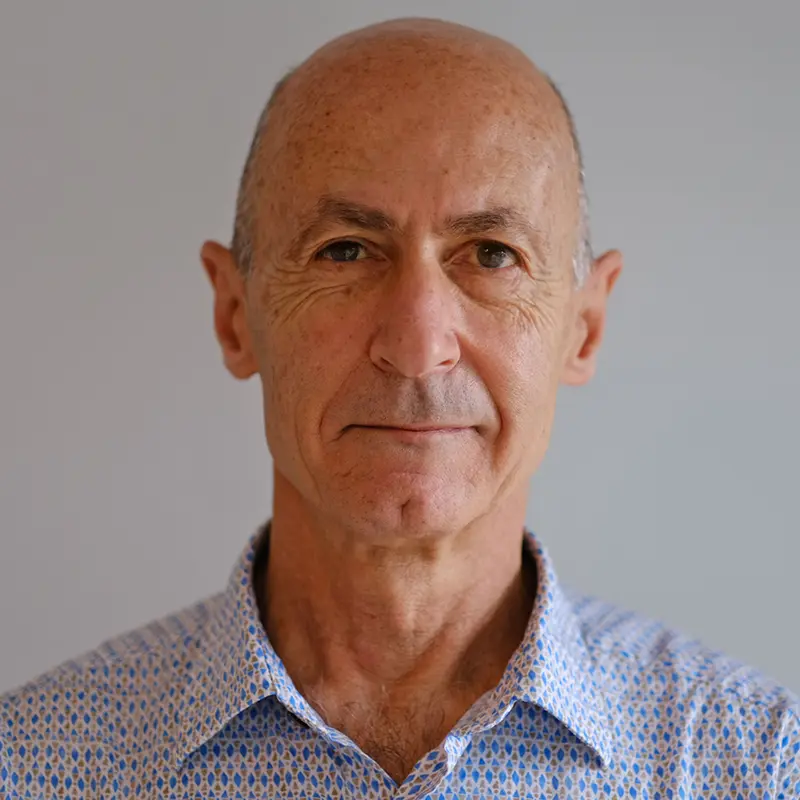
Chris Fetto BSc Ost. (U.K.), M.A.
Making a meaningful difference to someone’s quality of life is why I do what I do. And using a large tool kit of techniques helps get the results my patients are after.
Our Services
We welcome all ages
Adults
Seniors
Sports Injuries
Children & Teenagers
Pregnancy & Lactation
Babies & Infants

Personalised Treatment With Your Choice in Style of Treatment
Long Term Pain Relief With Self Care Prevention Programs
UK trained and a Combined 60 Years Experience
How We Can Help
Back Pain
Neck Pain


Torbay Clinic Hours
Jill and Chris
Monday – Friday: 8:20am – 5:20pm
Wednesday: 8:40 – Evenings
Thursday 12 – Evenings
Saturday Mornings
Milford Health Clinic
Jill is at Milford
Tuesdays: 8:20am – 2:00pm
Wednesdays: 8:20am – 5:00pm
At these times to contact Jill call:
021 053 1618
Milford Health Clinic
Chris is at Milford
Thursday 8:40am to 1:00pm
Fridays 9:20am to 1:00pm
At these times to contact Chris call:
022 025 8665
About Us
Jill and Chris were both trained in the U.K and started Osteoworks back in 2004 when they moved to N.Z from London with their son.
Contact
09 473 3529
osteoworks@xtra.co.nz